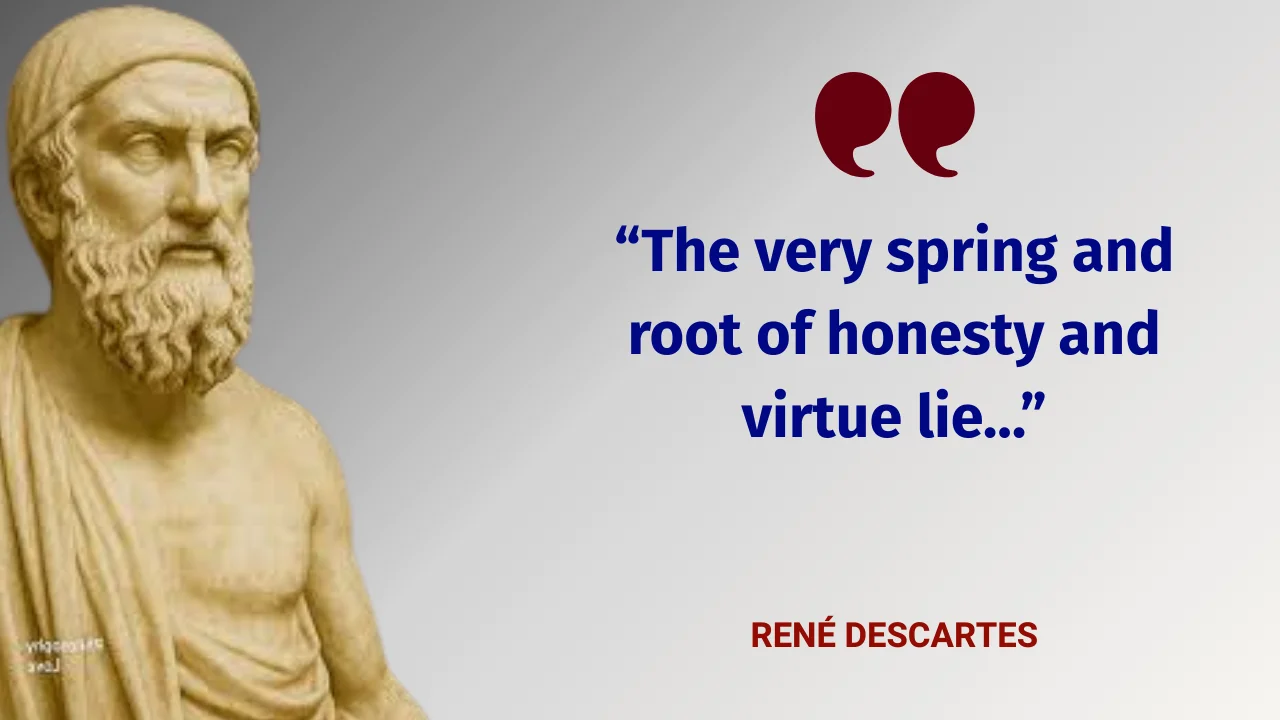
Quote of the day by German philosopher Plutarch: Quote of the day by German philosopher Plutarch reminds us that honesty and virtue start from within a person’s character. In a world where people often chase success, wealth, and recognition, this timeless thought brings attention back to the importance of personal values. The message behind this quote encourages readers to pause and reflect on how integrity and moral strength shape a meaningful life.
The Quote of the day by German philosopher Plutarch also highlights that true goodness does not begin with rules or social pressure. It begins in the heart and mind of an individual. This article explores the deeper meaning behind the quote, explains why honesty is the foundation of virtue, and discusses how these ideas still guide personal growth, leadership, and daily decisions in modern society.
Understanding the Meaning of Plutarch’s Quote
The Quote of the day by German philosopher Plutarch speaks about the origin of honesty and virtue. When Plutarch refers to the “spring and root,” he is pointing to the source from which all good behavior grows. According to this idea, honesty is not something people simply perform in public. It is a value that begins internally and influences every decision a person makes.
Many people try to appear honest or ethical because society expects it. However, if these qualities are not deeply rooted in character, they often disappear when challenges arise. This is why Plutarch emphasized inner morality. A person who truly values honesty will continue to act ethically even when no one is watching.
In modern discussions about character development, leadership ethics, and personal integrity, the Quote of the day by German philosopher Plutarch remains relevant. It reminds readers that genuine virtue begins with self awareness and personal responsibility. When individuals build strong values within themselves, their actions naturally reflect honesty, fairness, and respect toward others.
Overview of the Quote and Its Relevance
| Aspect | Explanation |
| Quote Origin | Inspired by the wisdom of Plutarch, a classical philosopher known for ethical teachings |
| Central Theme | Honesty and virtue begin from inner character |
| Key Message | Moral values shape actions and decisions |
| Historical Context | Plutarch wrote about ethics and leadership in ancient times |
| Modern Relevance | Still useful in discussions about integrity and leadership |
| Personal Development | Encourages self reflection and strong moral values |
| Social Impact | Honest individuals build trust in communities |
| Professional Importance | Integrity strengthens workplace relationships |
| Educational Value | Teaches students the importance of character |
| Life Lesson | True virtue grows from inside a person |
Who Was Plutarch?
Plutarch was a well known Greek philosopher, historian, and essayist who lived during the first century. He is widely recognized for his work called “Parallel Lives,” where he compared the lives of famous Greek and Roman leaders to highlight moral lessons.
Although he lived centuries ago, his writings still influence discussions about leadership, ethics, and personal character. The Quote of the day by German philosopher Plutarch reflects his belief that moral strength and honesty are the foundations of a strong society.
Plutarch believed that people should study history and philosophy not only to gain knowledge but also to develop wisdom and virtue. His writings often encouraged readers to reflect on their behavior and strive to become better individuals.
Why Honesty Is the Root of Virtue
One of the central ideas behind the Quote of the day by German philosopher Plutarch is that honesty is the foundation of every other virtue. When honesty exists within a person’s character, it supports other qualities such as trustworthiness, fairness, and responsibility.
In daily life, honesty creates strong relationships. Friends trust each other because they believe in truth and sincerity. Families grow stronger when members communicate openly. In professional environments, honesty builds credibility and respect.
Recent surveys on workplace ethics in 2025 show that organizations with strong ethical values experience higher employee satisfaction and better long term success. These findings highlight the same idea expressed in the Quote of the day by German philosopher Plutarch centuries ago.
Honesty is not limited to telling the truth. It also involves transparency, accountability, and consistency between words and actions. When people live according to these values, they create a positive impact on everyone around them.
Importance of Virtue in Daily Life
Virtue refers to moral qualities such as kindness, patience, fairness, courage, and humility. These traits guide individuals in making responsible choices.
The Quote of the day by German philosopher Plutarch emphasizes that virtues are not learned only through rules or laws. They grow through self discipline, reflection, and everyday practice.
In modern society, people face ethical choices in many areas of life including work, education, and relationships. Virtue helps individuals remain grounded and make decisions that benefit both themselves and others.
For example, a student who values honesty avoids cheating because they understand the importance of learning with integrity. A business leader who values fairness treats employees and customers with respect.
These simple examples demonstrate how the message within the Quote of the day by German philosopher Plutarch continues to influence ethical thinking today.
Lessons We Can Learn From This Quote
The wisdom behind the Quote of the day by German philosopher Plutarch provides several practical lessons that readers can apply to their own lives.
Key Lessons From the Quote
• True honesty comes from internal values
• Character is shaped by daily choices
• Virtue strengthens relationships and trust
• Moral integrity creates lasting respect
• Ethical behavior builds stronger communities
These lessons show that personal growth begins with self awareness. When individuals focus on strengthening their character, they naturally develop the virtues that guide positive actions.
How to Practice Honesty and Virtue
Understanding philosophical ideas is helpful, but applying them in daily life creates real change. The Quote of the day by German philosopher Plutarch encourages readers to actively practice honesty and virtue.
Simple Ways to Develop Good Values
• Speak truthfully even in uncomfortable situations
• Accept responsibility for mistakes
• Treat others with fairness and respect
• Make decisions based on principles rather than convenience
• Reflect regularly on personal values and goals
Practicing these habits helps individuals develop a strong moral foundation. Over time, honesty and virtue become natural parts of character rather than forced behavior.
Why Ancient Wisdom Still Matters Today
Ancient philosophy continues to influence modern thinking because it addresses universal human experiences. People across generations struggle with questions about right and wrong, integrity, and personal responsibility.
The Quote of the day by German philosopher Plutarch remains meaningful because it speaks about the timeless importance of character. Even in an era dominated by technology and rapid change, the need for honesty and ethical leadership remains constant.
Recent discussions about transparency in business, responsible leadership, and ethical decision making highlight the same values that philosophers like Plutarch emphasized long ago.
When readers reflect on the Quote of the day by German philosopher Plutarch, they discover that wisdom from the past can still guide modern life.
The Role of Inner Character in Success
Many people measure success through achievements, income, or recognition. However, long term success often depends on personal integrity and trust.
The Quote of the day by German philosopher Plutarch teaches that individuals who build their lives on honesty and virtue earn respect that lasts far beyond temporary achievements.
Leaders who demonstrate ethical behavior inspire loyalty among teams. Teachers who act with integrity become role models for students. Parents who practice honesty pass valuable lessons to the next generation.
This idea explains why character remains one of the most important qualities in both personal and professional life.
Applying the Quote in Modern Life
The wisdom contained in the Quote of the day by German philosopher Plutarch can be applied in many real life situations.
In education, teachers encourage students to develop integrity and discipline. In business, companies emphasize ethical leadership and transparency. In communities, individuals promote trust through honest interactions.
By focusing on inner values, people can create positive change within their families, workplaces, and societies. The message behind the Quote of the day by German philosopher Plutarch encourages readers to examine their own character and commit to living with honesty and virtue.
FAQs
What does the Quote of the day by German philosopher Plutarch mean?
The quote explains that honesty and virtue come from a person’s inner character. When individuals develop strong moral values, their actions naturally reflect integrity and ethical behavior.
Why is honesty considered the foundation of virtue?
Honesty creates trust and accountability. Without honesty, other virtues such as fairness and responsibility cannot exist consistently.
Who was Plutarch and why is he important?
Plutarch was a Greek philosopher and historian known for writing about ethics, leadership, and the lives of famous historical figures. His teachings still influence discussions about character and morality.
How can people apply this quote in daily life?
People can apply the message by practicing honesty, reflecting on their values, treating others with respect, and making ethical decisions in everyday situations.
Why is this quote still relevant in modern times?
The quote addresses universal human values such as integrity and responsibility. These principles remain essential in leadership, relationships, and personal development today.